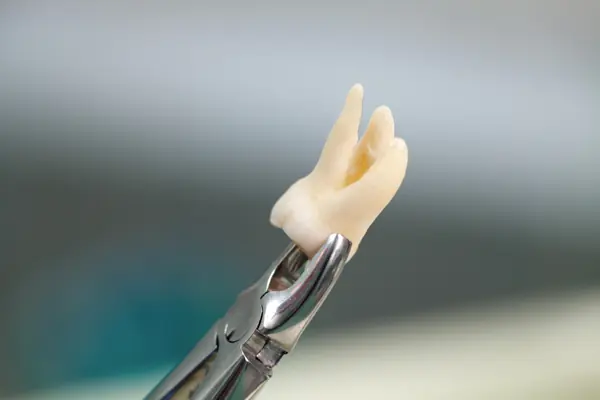
What Happens to Your Jaw After a Tooth Extraction? The Bone Healing Timeline
Quick answer: After a tooth is removed, a blood clot fills the socket within 24 hours, the gum closes over it in about 1–2 weeks, new bone fills the socket over 6–8 weeks, and the bone keeps remodeling for 3–6 months (up to a year for large or multiple extractions). Some shrinkage of the jaw ridge is normal because the bone no longer has a tooth root to stimulate it. Socket preservation grafts and dental implants are the two ways to limit that loss.
Reviewed by the dental team at Crescent Family and Cosmetic Dentistry, Sumter and Columbia, SC. Last reviewed September 2026.
Most people think about the tooth when they have an extraction. The jaw bone that held it is doing the real work afterward. This guide walks through what the bone does week by week, what is normal to see and feel, why the jaw shrinks, and what you can do about it.
Jaw bone healing timeline after a tooth extraction
| Stage | When | What is happening in the bone | What you notice |
|---|---|---|---|
| Blood clot forms | First 24 hours | The socket fills with a clot that protects bone and nerve endings and becomes the scaffold for healing. | Mild oozing, then a dark red clot in the socket. Protect it – no straws, smoking or vigorous rinsing. |
| Soft tissue closes | Days 3–14 | Gum tissue grows in from the edges; inflammation peaks around day 2–3 then fades. | Swelling and tenderness improve daily. The hole looks smaller by day 7–10. |
| Early bone fill | Weeks 2–8 | Woven (immature) bone starts filling the socket from the bottom up. | Socket is level with the gum by 3–4 weeks for most single teeth. You may feel a smooth dip. |
| Bone maturation | Months 2–4 | Woven bone is replaced by dense lamellar bone. This is when most implant placements are planned. | Nothing to feel – X-rays show the socket filling in. |
| Remodeling | Months 3–12 | Bone reshapes to its new load. Without a root, the ridge slowly narrows and drops. | A slight flattening of the gum ridge where the tooth was. |
Timelines are typical for a healthy adult with a simple extraction. Surgical extractions, wisdom teeth, smoking, diabetes, some medications and multiple adjacent extractions all slow healing.
Why does the jaw bone shrink after a tooth is pulled?
Bone stays dense when it is loaded. A tooth root transfers chewing force into the jaw thousands of times a day; remove the root and the body reads that section of bone as unneeded and gradually resorbs it. Most of the loss happens in the first year – studies of healed sockets consistently show the ridge losing a noticeable share of its width in the first 6–12 months, and more height in the lower jaw than the upper. The more teeth removed in one area, the more the ridge changes, which is why full-arch extractions change the facial profile over time.
Three things determine how much you lose: the thickness of the bone around the socket to begin with (the thin outer wall of front teeth resorbs fastest), whether the socket wall was damaged during the extraction, and whether anything is placed in the socket to hold the volume.
Is it normal to see bone in the socket?
Sometimes, yes. In the second and third week you may see a small white or yellow-white area inside the socket. That is usually one of three things: the healthy bone at the base of the socket before soft tissue has covered it; a small, loose fragment of bone (a sequestrum) that the body is pushing out and that we can lift out in seconds; or, if it comes with throbbing pain that started 3–5 days after the extraction and a bad taste, a dry socket, which means the clot was lost and the bone is exposed. Visible bone with little or no pain is normal healing. Visible bone with increasing pain needs a same-day call.
What changes in the rest of the mouth
- Neighboring teeth drift toward the gap and the opposing tooth can over-erupt into it, usually over 6–18 months. This is the main reason we recommend deciding on a replacement within the first year.
- Bite pressure redistributes to the remaining teeth, which can show up as jaw muscle fatigue or uneven wear.
- Bone density directly next to the socket drops first; the rest of the jaw is unaffected.
How to protect the bone after an extraction
- Follow the first-72-hours aftercare rules: no smoking, no straws, no spitting or hard rinsing, soft foods, gentle salt-water rinses from day 2.
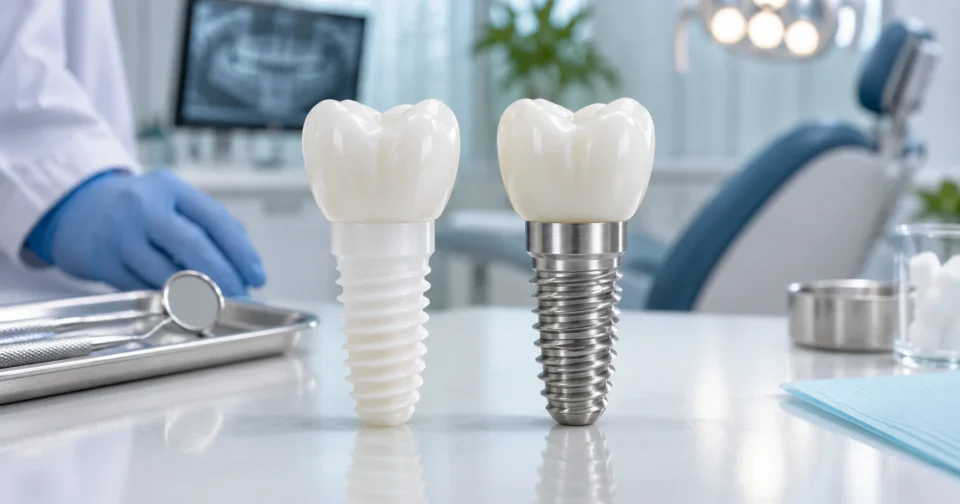
- Ask about socket preservation and bone grafting before the extraction. A small bone graft placed in the socket the same day maintains most of the ridge width and keeps the implant option open. It adds a few minutes to the appointment.
- If you plan on a dental implant, the window is typically 3–4 months after extraction for a healed socket, or the same day in selected cases. Waiting years usually means a larger graft later.
- Bridges and partial dentures replace the tooth but do not stimulate the bone; only an implant does.
When to call us
Call the same day for pain that gets worse after day 3 instead of better, a bad taste or smell, bleeding that does not stop with 30 minutes of firm gauze pressure, fever, swelling that increases after day 3, or numbness that lasts longer than the anesthetic should.
Frequently asked questions
Does the jaw bone grow back after a tooth extraction?
Yes – the socket itself fills with new bone over roughly 6–8 weeks and matures over 3–6 months. What does not grow back is the full height and width of the ridge; the bone that surrounded the root resorbs partly because it is no longer loaded.
How long does it take for the jaw bone to heal after an extraction?
About 6–8 weeks for the socket to fill with early bone, 3–4 months to be solid enough for an implant, and up to 12 months for remodeling to finish.
Why is my jaw bone showing after a tooth extraction?
Usually because the gum has not yet grown over the base of the socket, or a small loose bone fragment is working its way out. If the exposed bone is painful and the pain began a few days after the extraction, it may be a dry socket – call us.
Does the jaw shrink after wisdom teeth removal?
Slightly, in the area behind the last molar, and it is rarely noticeable because nothing is replaced there. Shrinkage matters far more when a tooth that is visible or that you chew on is removed.
Can I prevent bone loss after an extraction?
Socket preservation (a bone graft at the time of extraction) and replacing the tooth with a dental implant are the two proven ways. Good healing habits in the first week protect the clot, which protects the bone.
Can a molar grow back after extraction?
No. Permanent teeth do not regrow. Read our full explanation of why adult teeth don’t grow back and what your options are.
Talk to us about your extraction and your options
Crescent Family and Cosmetic Dentistry performs tooth extractions, wisdom teeth removal, bone grafting and dental implants at three offices: 434 N Guignard Dr, Sumter – (803) 773-5411 · 656 Bultman Dr, Sumter – (803) 778-2337 · 1211 Greenlawn Dr, Columbia – (803) 784-1304.