The “Pollen Season” Connection: Why SC Allergies Feel Like Tooth Pain
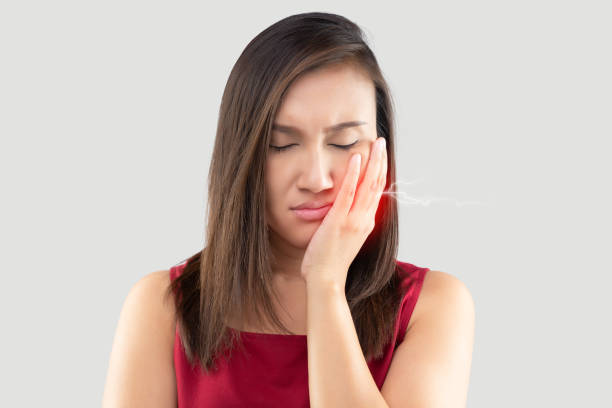
If several of your upper teeth suddenly ache during South Carolina pollen season, the problem may not actually begin in your teeth. Seasonal allergies can cause nasal congestion and sinus inflammation, and pressure in the maxillary sinuses can sometimes be felt as pain in the upper back teeth because their roots sit close to those sinus spaces.
But allergies should not become an automatic explanation for every toothache. A cavity, cracked tooth, damaged filling, gum problem, or dental infection can appear at exactly the same time as your seasonal congestion.
At Crescent Family and Cosmetic Dentistry, we want patients to understand the difference because a true dental problem generally will not disappear when the pollen count falls.
Tooth Pain or Seasonal Allergies?
Don't ignore that aching tooth! Get a professional dental evaluation to find the cause and get relief.
Why Is Pollen Season Such a Big Deal in South Carolina?
South Carolina’s climate creates more than one period of seasonal allergy activity.
MUSC Health notes that early spring pollen is commonly associated with trees such as oak, elm, poplar, and walnut. Later in spring, grasses become important allergy triggers. Ragweed then becomes a major issue from late August until the first frost.
Clemson Extension likewise reports that common ragweed grows throughout South Carolina and releases large amounts of windborne pollen in late summer and early fall, contributing to hay fever symptoms in susceptible people.
That means some South Carolina residents deal with seasonal allergy symptoms during multiple parts of the year rather than during one short spring window.
Common symptoms include:
- Sneezing
- Runny nose
- Nasal congestion
- Itchy or watery eyes
- Sinus pressure
- Postnasal drainage
The American Academy of Allergy, Asthma & Immunology explains that seasonal allergic rhinitis is commonly triggered by pollen from trees, grasses, and weeds.
But how does something happening in your nose turn into what feels exactly like a toothache?
The answer is anatomy.
What Do Your Sinuses Have to Do With Your Teeth?
Your skull contains several air-filled sinus cavities.
The ones most relevant to tooth pain are the maxillary sinuses, located behind the cheeks and above the upper back teeth.
For some people, the roots of upper premolars and molars sit extremely close to the floor of the maxillary sinus.
Mayo Clinic explains that these roots may be so close to the sinus that inflammation within the sinus can cause pain that feels as though it is coming from the teeth.
Think of it as shared real estate.
Your tooth roots and maxillary sinuses occupy neighboring spaces. When tissues in the sinus become swollen and pressurized, the nerves in that region can make it difficult for your brain to determine exactly where the discomfort originates.
The result can feel surprisingly dental.
Do Seasonal Allergies Directly Cause Toothaches?
Not usually.
Pollen does not somehow travel into the tooth and make it ache.
The connection is indirect.
Seasonal allergies can cause allergic rhinitis, leading to swelling and congestion within the nasal passages.
AAAAI notes that people with rhinitis commonly experience congestion and sinus pressure and that allergic rhinitis is associated with sinus problems in some patients.
If the sinus tissues become sufficiently inflamed or normal drainage becomes impaired, pressure can develop around the maxillary sinuses.
That pressure may be perceived as aching in nearby upper teeth.
Allergies can also contribute to or coexist with rhinosinusitis. AAAAI lists toothache among the possible symptoms of sinusitis.
So a more accurate sequence is:
Pollen exposure → allergy inflammation and congestion → sinus pressure or sinusitis → referred pain in the upper teeth.
What Does Sinus Tooth Pain Usually Feel Like?
Sinus-related dental discomfort often has a different pattern from a problem affecting one individual tooth.
Patients commonly describe:
- Pressure across several upper back teeth
- A dull ache rather than one sharp pinpoint
- Facial pressure in the cheeks
- A feeling that multiple teeth are sore
- Discomfort occurring at the same time as congestion
- Headache or pressure around the nose and eyes
Because an entire sinus sits over several tooth roots, it makes sense that several teeth may seem involved at once.
Mayo Clinic specifically identifies the upper back teeth as the teeth most commonly affected by sinus-related pain.
That pattern provides a useful clue.
If you cannot tell whether tooth number one, two, or three is hurting because the entire area feels heavy, sinus pressure becomes more plausible.
If one particular tooth produces a sharp pain every time you bite or drink something cold, a local dental cause deserves stronger consideration.
Why Can It Hurt More When You Bend Forward?
Some people with sinus pressure notice that discomfort changes when they:
- Bend down
- Tie their shoes
- Lower their head
- Exercise
- Change position quickly
Changing head position can make sinus pressure feel more noticeable.
If several upper teeth ache while you are congested and the pressure seems to change along with facial or sinus symptoms, that pattern can support a sinus explanation.
It still does not provide a diagnosis by itself.
A dental problem can also produce pressure and throbbing.
That is why associated symptoms matter.
How Can You Tell Sinus Pressure From a Cavity?
You cannot diagnose every toothache at home, but the pattern can help.
Sinus Pressure Is More Likely When:
- Several upper back teeth ache at once
- You also have nasal congestion
- Your cheeks feel full or pressured
- You are sneezing or dealing with seasonal allergies
- The pain is diffuse rather than pinpoint
- Tooth discomfort rises and falls with sinus symptoms
A Dental Problem Is More Likely When:
- One tooth clearly hurts more than the others
- Cold triggers sharp pain
- Hot drinks cause pain
- Sweets trigger sensitivity
- Biting on one tooth hurts
- Flossing around one area causes discomfort
- A tooth is chipped or cracked
- You have swelling around a tooth
- The pain wakes you at night
- Symptoms continue after your sinus congestion improves
The ADA’s MouthHealthy resource lists cavities, fractured teeth, worn fillings, gum disease, worn enamel, and exposed tooth roots among common causes of temperature sensitivity.
A sinus problem should not be used to explain away those signs.
What About Cold Sensitivity?
Cold sensitivity is particularly useful to pay attention to.
Sinus pressure tends to produce aching, heaviness, or pressure.
It generally does not explain why a single tooth gives you a sharp sensation the instant cold water touches it.
Cold sensitivity can occur when the inner dentin of a tooth becomes more exposed to temperature changes.
Possible causes include:
- Cavities
- Gum recession
- Worn enamel
- Cracked teeth
- Worn fillings
- Exposed roots
The ADA notes that dentin contains microscopic tubules that can allow temperature stimuli to reach sensitive structures within the tooth when protective enamel or cementum is lost.
So if your main complaint is:
“Every time ice water touches this exact tooth, it hurts,”
do not automatically blame pollen.
Have the tooth checked.
Can Allergies Lead to a Sinus Infection?
Allergies and sinus infections are not the same condition.
However, significant allergic inflammation can interfere with normal sinus drainage.
AAAAI explains that people with allergic rhinitis are more likely to experience chronic sinusitis because of inflammation affecting the airways and sinus drainage pathways.
Sinusitis may produce symptoms including:
- Facial pressure
- Congestion
- Thick drainage
- Postnasal drip
- Cough
- Toothache
- Headache
Acute sinusitis can follow a viral illness as well.
Not every episode requires antibiotics. Mayo Clinic notes that most uncomplicated acute sinusitis cases improve on their own.
If symptoms are severe, prolonged, worsening after initially improving, or accompanied by concerning facial swelling or fever, contact an appropriate medical provider.
Could a Dental Infection Actually Be Causing the Sinus Problem?
Yes.
The tooth-and-sinus relationship works in both directions.
While sinus inflammation can make healthy upper teeth hurt, an infection originating in an upper tooth can sometimes affect the maxillary sinus.
Mayo Clinic specifically notes that infection or damage involving a tooth may contribute to persistent sinusitis.
That possibility becomes particularly relevant if you have:
- One severely painful upper tooth
- One-sided facial symptoms
- Pain when biting
- Swelling around the gum
- A bad taste or drainage
- A known broken or badly decayed tooth
- Recurrent sinus symptoms on the same side
Treating only the sinus symptoms would not eliminate an infected tooth.
The dental source has to be identified and treated.

Review: The Top-Rated Dental Insurance Plans for Shaw AFB Personnel
Military families around Shaw Air Force Base have plenty to manage without adding confusing dental insurance terminology to the list.…

Why Is One-Sided Pain Worth Paying Attention To?
Sinus discomfort can certainly affect one side more than the other.
But a clearly localized, one-sided toothache deserves closer evaluation.
For example, suppose your right cheek feels congested and one upper right molar throbs every time you chew.
That could represent sinus pressure.
It could also represent:
- A cavity
- Cracked tooth
- Inflamed dental pulp
- Abscess
- Damaged restoration
The fact that you also have allergies does not eliminate any of those possibilities.
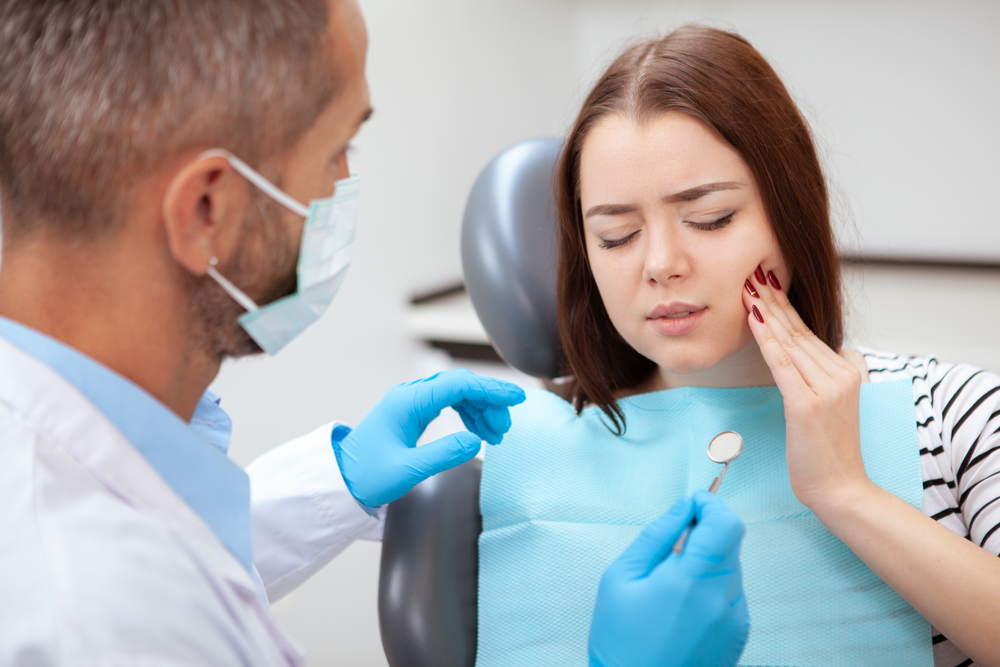
Mayo Clinic recommends seeing a dentist when you have tooth pain so dental causes can be evaluated first. If the teeth appear healthy, a medical provider can then evaluate whether sinus disease may be responsible.
How Does a Dentist Determine Where the Pain Is Coming From?
The first step is listening to the symptoms.
At Crescent Family and Cosmetic Dentistry, useful questions may include:
- Which teeth hurt?
- Is it one tooth or several?
- Is the pain upper or lower?
- Does cold trigger it?
- Does heat trigger it?
- Does biting hurt?
- Is there swelling?
- Are you congested?
- Did symptoms begin during an allergy flare?
- Does the pain continue when your allergies improve?
The dentist can then examine the teeth and gums.
Diagnostic testing may include:
- Dental X-rays
- Bite testing
- Cold testing
- Examination of existing fillings and crowns
- Checking for cracks
- Gum evaluation
- Looking for signs of infection
Crescent’s emergency dental service specifically evaluates severe toothaches, cracks, infections, failed restorations, and swelling using examination and diagnostic imaging when appropriate.
If no dental explanation is found, sinus involvement becomes a stronger possibility.
Do Lower Teeth Hurt From Sinus Pressure?
Sinus-related tooth pain is far more characteristically associated with the upper back teeth.
Your maxillary sinuses sit above the upper jaw.
They do not sit over your lower molars.
Therefore, if a lower tooth hurts, sinus pressure is generally a much less convincing explanation.
A painful lower tooth should be evaluated for dental causes such as:
- Decay
- Cracks
- Gum disease
- Infection
- Tooth grinding
- Failed dental work
Do not attribute lower-jaw pain to pollen simply because your nose is stuffy.
Can Dry Mouth During Allergy Season Affect Your Teeth?
Potentially.
Congestion can encourage mouth breathing, particularly during sleep.
Some allergy medications can also contribute to dry mouth in certain patients.
Reduced saliva may increase discomfort because saliva normally helps:
- Lubricate oral tissues
- Wash away food debris
- Buffer acids
- Support enamel
- Control the oral environment
If you notice persistent dry mouth during allergy season, drink water regularly and mention the problem to your dentist or medical provider.
The cause may involve medications, mouth breathing, hydration, medical conditions, or several factors together.
Should You Treat the Toothache With Allergy Medicine?
Treat the condition you actually have.
If an allergist or physician has already recommended an allergy-management plan, following that plan may reduce congestion and associated sinus pressure.
But antihistamines or decongestants do not repair:
- Cavities
- Cracked teeth
- Dental abscesses
- Broken fillings
- Inflamed dental nerves
Likewise, dental treatment will not cure seasonal allergic rhinitis.
When symptoms overlap, the goal is to identify which system is causing the pain.
Avoid repeatedly medicating an unexplained toothache for weeks without having it evaluated.
What Can You Do While Waiting for an Appointment?
If the pain appears mild and sinus-related, managing your diagnosed allergy or sinus condition according to your healthcare provider’s recommendations may help.
For dental discomfort, Mayo Clinic suggests simple measures such as rinsing with warm water, gently flossing to remove trapped food, and using an appropriate over-the-counter pain reliever if you can safely take it. Do not place aspirin directly against the gum because it can damage tissue.
These steps are temporary.
They do not replace treatment for decay or infection.
When Is Tooth Pain an Emergency?
Call a dentist promptly when tooth pain is:
- Severe
- Persistent
- Associated with swelling
- Accompanied by fever
- Painful when biting
- Connected with a broken tooth
- Associated with pus or foul drainage
Mayo Clinic recommends professional evaluation when toothache lasts more than a day or two or occurs with fever, swelling, painful biting, red gums, or foul-tasting discharge.
Difficulty breathing or swallowing requires emergency medical attention.
Do not wait for pollen season to end if those symptoms occur.
FAQs About South Carolina Allergies and Tooth Pain
Can pollen make my teeth hurt?
Pollen itself does not directly hurt teeth. Seasonal allergies can cause congestion and sinus inflammation, and pressure in the maxillary sinuses may be felt in nearby upper teeth.
Which teeth usually hurt from sinus pressure?
The upper back teeth are the most common because their roots sit close to the maxillary sinuses.
Why do several teeth hurt at once during allergy season?
Inflammation in one maxillary sinus can create referred discomfort across several neighboring upper teeth.
Does cold sensitivity come from allergies?
Cold sensitivity in one tooth is more suggestive of a dental issue such as exposed dentin, gum recession, decay, a crack, or a worn filling than simple sinus pressure.
When is pollen season in South Carolina?
MUSC Health notes that tree pollen is commonly important in early spring, grass pollen later in spring, and ragweed from late August until the first frost. Timing varies with weather and location.
Should I see my dentist or my doctor?
If you have a true toothache, particularly one localized to a specific tooth, a dentist can rule out dental causes. If the teeth are healthy and significant sinus symptoms remain, a physician or allergist may be appropriate.
Don’t Let “It’s Just My Allergies” Delay Dental Care
South Carolina’s pollen seasons can be rough.
Tree pollen arrives in spring. Grasses follow. Ragweed can keep symptoms going into fall. For people who are sensitive to those allergens, congestion and facial pressure can become familiar parts of the year.
And yes, that pressure can sometimes feel remarkably similar to a toothache.
The key is recognizing when the pattern does not fit.
Several aching upper teeth combined with heavy congestion may point toward sinus pressure.
One tooth that throbs, reacts sharply to cold, hurts when you bite, or remains painful after your allergies settle needs a dental evaluation.
At Crescent Family and Cosmetic Dentistry, we can examine the teeth, gums, restorations, and surrounding structures to determine whether there is a dental explanation for your pain. Crescent also provides emergency dental care for patients experiencing severe toothaches, cracked teeth, swelling, or suspected infection.
If pollen season has left you wondering whether your upper teeth are actually hurting or your sinuses are playing tricks on you, schedule an appointment with Crescent Family and Cosmetic Dentistry.
It is better to rule out a dental problem than spend an entire South Carolina allergy season hoping a cavity disappears along with the pollen.
Pollen Season Making Your Teeth Hurt?
Sinus pressure can feel like tooth pain. Schedule a dental exam today and get the answers you need.