Why “Soft Teeth” Isn’t a Real Diagnosis (and What’s Actually Happening)
“Soft teeth” isn’t a formal dental diagnosis. When someone says they have soft teeth, they’re usually describing frequent cavities, weakened enamel, sensitivity, or teeth that chip easily. These problems have identifiable causes, including enamel development defects, acid exposure, tooth decay, and dry mouth.
At Crescent Family and Cosmetic Dentistry, we help patients in Columbia and Sumter understand why their teeth may be more vulnerable to damage. If you’ve been told your teeth are naturally soft or that bad teeth run in your family, here’s what might actually be happening and how we can help protect your smile.
What Does Having “Soft Teeth” Actually Mean?
People commonly use the term “soft teeth” when their teeth seem to develop cavities more easily than expected.
Someone might brush regularly, avoid excessive candy, and still need fillings at nearly every dental appointment.
Others notice that their teeth chip easily, develop white spots, or become increasingly sensitive.
However, dentists need a more specific explanation than simply saying teeth are soft.
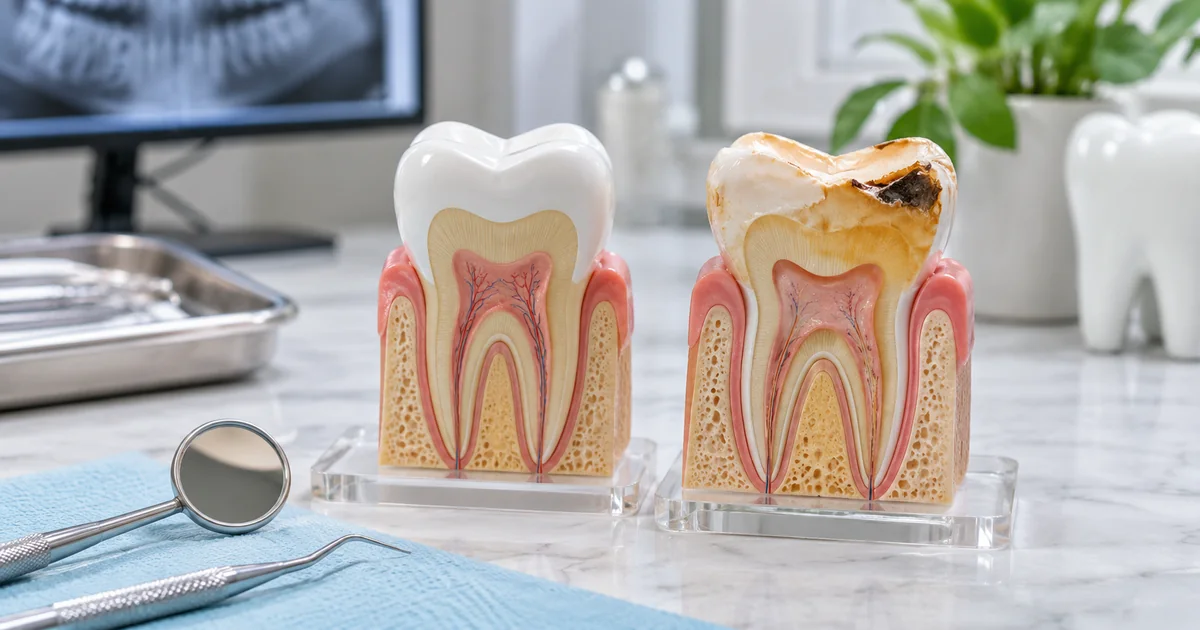
Healthy tooth enamel is the hardest tissue in the human body. It consists primarily of tightly packed mineral crystals that protect the underlying dentin.
When teeth appear weak, the problem may involve enamel formation, mineral loss, physical wear, or active decay.
Some genuine dental conditions can cause enamel or dentin to be abnormally weak or poorly mineralized.
The important distinction is that “soft teeth” describes a concern, not the underlying diagnosis.
Identifying the actual condition allows us to recommend treatment that addresses the cause rather than simply repairing repeated damage.
What Really Causes Teeth to Become Weak?
Several conditions and everyday factors can make teeth more vulnerable to cavities, fractures, and sensitivity.
1. Enamel Hypoplasia
Enamel hypoplasia occurs when a tooth develops with less enamel than normal.
This condition begins while the tooth is forming, before it emerges through the gums.
Affected teeth may have:
- Thin or missing areas of enamel
- Small pits or grooves
- White, yellow, or brown discoloration
- Greater sensitivity to temperature
- Increased susceptibility to decay and wear
Enamel hypoplasia can affect baby teeth, permanent teeth, or both.
Possible contributing factors include genetic conditions, disruptions during tooth development, certain illnesses, and nutritional deficiencies.
A dental examination can help distinguish enamel hypoplasia from damage that develops after a tooth erupts.
2. Enamel Hypomineralization
Hypomineralization occurs when enamel forms but does not develop its normal mineral strength.
Unlike enamel hypoplasia, which affects the amount of enamel present, hypomineralization primarily affects its quality.
One recognized condition is molar-incisor hypomineralization (MIH), which commonly affects first permanent molars and may also involve permanent incisors.
Affected teeth can develop:
- Clearly defined white, cream, yellow, or brown patches
- Sensitivity during brushing or eating
- Enamel that breaks down after eruption
- Greater difficulty maintaining fillings in severely affected areas
Children with hypomineralized teeth may experience dental problems despite consistent brushing.
These teeth often need additional monitoring and preventive care.
3. Tooth Demineralization
Demineralization happens when acids remove minerals from the tooth surface.
Bacteria in dental plaque produce acids when they consume sugars and other fermentable carbohydrates.
Repeated acid exposure can gradually weaken enamel.
Early mineral loss may appear as chalky white spots.
At this stage, appropriate fluoride treatment and changes in oral care may help remineralize the affected surface.
However, continued mineral loss can eventually cause permanent structural damage and cavities.
4. Acid Erosion
Acid erosion occurs when acids directly dissolve tooth enamel.
Unlike tooth decay, erosion doesn’t require plaque bacteria to produce the damaging acid.
Common sources include acidic beverages, sour candies, frequent vomiting, and stomach acid from gastroesophageal reflux disease (GERD).
As enamel wears away, teeth may become more sensitive, thinner, or increasingly yellow.
5. Teeth Grinding and Clenching
Bruxism involves repeated grinding or clenching of the teeth.
Over time, excessive mechanical forces can wear down enamel, damage restorations, or contribute to chipped and cracked teeth.
These changes can make teeth seem fragile even when their original enamel developed normally.
Treatment depends on the underlying cause and the severity of the damage.
Are Soft Teeth Genetic?
Genetics can influence dental health, but they don’t automatically determine whether someone will develop frequent cavities.
Certain inherited conditions directly affect tooth development.
One example is amelogenesis imperfecta, a group of genetic disorders that disrupt normal enamel formation.
People with this condition may have unusually thin, poorly mineralized, or brittle enamel.
Another uncommon condition, dentinogenesis imperfecta, affects the dentin beneath the enamel and can cause discolored teeth that wear or break more easily.
These conditions are different from ordinary tooth decay.
However, most patients who develop multiple cavities do not have a rare inherited enamel disorder.
Family members may also share dietary habits, fluoride exposure, oral hygiene routines, and other factors affecting cavity risk.
If several relatives have experienced repeated dental problems, it’s worth discussing the pattern during an examination.
We can assess whether the concern suggests an inherited structural condition or another cause.
Why Do I Keep Getting Cavities Even Though I Brush?
Brushing twice daily is important, but cavity prevention involves more than how often you use your toothbrush.
Several factors influence whether teeth lose or regain minerals throughout the day.
Frequent Snacking and Sugary Drinks
Each time bacteria in dental plaque encounter fermentable carbohydrates, they can produce acids that attack enamel.
Frequently sipping sweetened coffee, sports drinks, soda, or juice may expose teeth to repeated acid attacks.
Even small amounts consumed throughout the day can create problems.
It’s often helpful to consider how frequently you’re eating or drinking rather than focusing only on the total amount of sugar.
Inadequate Fluoride Exposure
Fluoride helps make enamel more resistant to acid and supports remineralization of early damage.
Patients who use nonfluoride toothpaste or have limited access to fluoridated water may not receive the same cavity-prevention benefits.
We can help determine whether additional fluoride protection is appropriate.
Dry Mouth
Saliva helps neutralize acids, wash away food particles, and supply minerals that protect teeth.
When saliva production decreases, cavity risk can increase significantly.
Dry mouth may be associated with medications, certain medical conditions, dehydration, or problems affecting the salivary glands.
Difficult-to-Clean Areas
Crowded teeth, deep grooves, existing dental restorations, and hard-to-reach areas can allow plaque to accumulate.
Brushing alone may not adequately clean between teeth that touch.
Daily interdental cleaning and professional examinations are important for identifying these areas.
If cavities keep developing despite consistent oral care, we recommend a comprehensive cavity-risk assessment rather than assuming your teeth are simply weak.
Can Acid Reflux Make Your Teeth Weaker?
Yes. Repeated exposure to stomach acid can permanently damage enamel.
GERD occurs when stomach contents flow backward into the esophagus and sometimes reach the mouth.
When stomach acid contacts teeth regularly, it can gradually dissolve their protective surface.
Common signs of dental erosion include:
- Increased sensitivity to cold drinks
- Smooth or worn tooth surfaces
- Yellowish discoloration
- Thinning edges of front teeth
- Changes in the shape of existing fillings
Some patients experience reflux-related dental erosion without frequent heartburn.
A dentist may recognize an erosion pattern that suggests acid exposure, although a medical evaluation is needed to investigate the underlying cause.
If we suspect reflux is contributing to tooth damage, we may recommend discussing the symptoms with your healthcare provider.
Treating the source of the acid exposure is important because dental restorations alone cannot prevent continued erosion.
Are Baby Teeth Naturally Softer Than Adult Teeth?
Baby teeth have thinner enamel and dentin layers than permanent teeth, making decay capable of progressing relatively quickly.
However, this doesn’t mean healthy primary teeth are abnormally soft.
Baby teeth are designed to function during childhood and play important roles in chewing, speaking, and maintaining space for permanent teeth.
When children develop frequent cavities, parents sometimes assume they inherited soft teeth.
The actual problem may involve early childhood tooth decay, an enamel development defect, dietary habits, or another identifiable factor.
What About Children With Chalky Teeth?
Some children develop white, cream, or yellow-brown patches caused by enamel hypomineralization.
These areas can be more sensitive and vulnerable to breakdown.
Not every white spot indicates the same condition. Early decay, fluorosis, and developmental enamel defects can produce different kinds of discoloration.
An examination helps determine the cause.
At Crescent Family and Cosmetic Dentistry, we encourage parents to arrange dental evaluations when they notice unusual tooth color, repeated cavities, or sensitivity in their children.
Can Teeth Become Soft During Pregnancy?
Pregnancy does not normally cause calcium to be pulled directly from a mother’s teeth to support fetal development.
However, pregnancy-related changes can increase the risk of certain dental problems.
Nausea and vomiting may expose teeth to stomach acid.
Changes in eating habits, frequent snacking, and difficulty maintaining oral hygiene can also affect cavity risk.
Pregnancy-related hormonal changes may increase susceptibility to gum inflammation.
These problems are sometimes mistakenly described as teeth becoming soft during pregnancy.
The more accurate explanation involves acid exposure, plaque accumulation, and changes in oral health habits.
Routine dental care is generally safe during pregnancy, and patients should inform their dentist about their pregnancy and any related health concerns.
What Are the Warning Signs of Weak or Damaged Enamel?
Enamel problems don’t always cause immediate discomfort.
Some patients discover an issue during a routine dental examination.
Others notice visible changes or increasing sensitivity.
Warning signs include:
- White, brown, or yellow spots on teeth
- Frequent cavities or repeated filling replacements
- Chipped or uneven tooth edges
- Sensitivity to hot, cold, or sweet foods
- Teeth appearing thinner or more translucent
- Visible pits or grooves
- Pain when chewing
These symptoms can have several causes.
For example, tooth sensitivity might result from enamel loss, gum recession, cavities, or exposed dentin.
A chipped tooth might be related to grinding rather than poor enamel development.
Persistent pain, swelling, or a broken tooth should be evaluated promptly.
How Do Dentists Diagnose the Cause of Weak Teeth?
A dental examination helps us identify whether teeth have developmental defects, decay, erosion, or mechanical damage.
At Crescent Family and Cosmetic Dentistry, we begin by reviewing your symptoms and medical history.
We may ask when you first noticed the problem, whether family members have similar concerns, and how frequently you experience cavities.
We also consider dietary habits, medications, oral hygiene practices, and possible acid reflux.
Examining Enamel and Existing Restorations
We look for signs of mineral loss, unusual enamel formation, tooth wear, and visible cracks.
The distribution of damage can provide useful information.
For example, several teeth with similar developmental defects may suggest a condition that occurred while those teeth were forming.
Dental X-Rays
When appropriate, dental X-rays can help identify cavities between teeth, assess existing restorations, and reveal problems that aren’t visible during a clinical examination.
Evaluating Cavity Risk
We consider factors such as previous decay, fluoride exposure, saliva-related concerns, and plaque accumulation.
Not every patient requires the same preventive plan.
Our goal is to identify the reasons behind the damage so we can recommend appropriate treatment.
Can You Strengthen Weak Tooth Enamel?
Some early enamel damage can improve through remineralization, but enamel that has physically worn away cannot naturally grow back.
This distinction is important.
Fluoride Treatments
Fluoride can help strengthen remaining enamel and reverse some early, noncavitated decay.
Depending on your dental health, we may recommend fluoride toothpaste, professional fluoride applications, or other preventive products.
Dental Sealants
Sealants create a protective barrier over vulnerable grooves in certain teeth, particularly molars.
They can help prevent cavities and may help stop early decay in suitable areas.
Dental Bonding and Fillings
When enamel has chipped or a cavity has formed, tooth-colored restorative materials may be used to repair the affected area.
These treatments replace missing or damaged structure rather than regrowing natural enamel.
Dental Crowns
Teeth with extensive breakdown may need crowns for additional protection and functional restoration.
Crowns are not necessary for every patient with weak enamel.
We recommend treatment based on the amount of remaining tooth structure and the severity of damage.
How Can You Protect Teeth That Seem Naturally Weak?
If your teeth are prone to cavities, sensitivity, or wear, daily habits can help limit further damage.
Brush With Fluoride Toothpaste
Brush twice daily for two minutes using fluoride toothpaste and a soft-bristled toothbrush.
Use gentle pressure rather than aggressive scrubbing.
Clean Between Your Teeth
Floss or use an appropriate interdental cleaning device daily to remove plaque from areas your toothbrush cannot reach.
Reduce Frequent Acid Exposure
Limit repeated sipping of soda, sports drinks, and other acidic beverages.
After acidic foods or drinks, rinse with water and wait approximately an hour before brushing.
Manage Dry Mouth
Stay hydrated and discuss persistent dry mouth with your dentist or healthcare provider.
Sugar-free gum may help stimulate saliva for some patients.
Address Teeth Grinding
If you regularly clench or grind your teeth, ask about a professional evaluation.
A protective nightguard may be appropriate in certain situations.
Maintain Regular Dental Visits
Routine examinations allow us to monitor enamel changes and identify problems before extensive damage develops.
Patients with higher cavity risk may benefit from more frequent preventive visits.
Common Myths About “Soft Teeth”
Several misconceptions can prevent patients from understanding their dental health.
Myth 1: Soft teeth always run in families.
Genetics can contribute to enamel abnormalities, but frequent cavities are usually influenced by multiple factors.
Myth 2: Taking calcium supplements will rebuild lost enamel.
Adequate nutrition supports health, but supplements cannot regrow enamel that has physically disappeared.
Myth 3: If you have weak teeth, cavities are unavoidable.
Many risk factors can be managed through fluoride exposure, dietary changes, preventive care, and appropriate treatment.
Myth 4: Sensitive teeth always mean weak enamel.
Sensitivity can result from several conditions, including gum recession, cavities, cracks, and exposed dentin.
Myth 5: More aggressive brushing makes teeth stronger.
Excessive brushing pressure can contribute to tissue damage and tooth wear. Gentle, consistent cleaning is more appropriate.
Frequently Asked Questions About Soft Teeth
Is soft teeth syndrome a real medical condition?
No. “Soft teeth syndrome” isn’t a recognized standalone dental diagnosis. However, conditions such as enamel hypoplasia, hypomineralization, and amelogenesis imperfecta can cause genuinely weak tooth structure.
Can you be born with weak enamel?
Yes. Certain genetic and developmental conditions can affect enamel formation before teeth erupt. These problems may affect baby teeth, permanent teeth, or both.
Can soft teeth become hard again?
Early mineral loss may be reversed through remineralization, particularly with fluoride. However, enamel that has been physically lost cannot naturally regenerate.
Why do my teeth keep chipping?
Repeated chipping may result from teeth grinding, existing cracks, large restorations, enamel abnormalities, or excessive biting forces. A dental examination can help identify the cause.
Does having soft teeth mean I need crowns?
Not necessarily. Some patients only need preventive treatment or small restorations. Crowns may be appropriate when significant tooth structure has been damaged.
Can weak teeth be prevented?
Not every developmental enamel condition can be prevented. However, fluoride use, appropriate oral hygiene, dietary habits, and regular dental care can reduce the risk of additional damage.
Find Out What’s Really Affecting Your Teeth at Crescent Family and Cosmetic Dentistry
If you’ve spent years believing you have soft teeth because you experience frequent cavities, sensitivity, or chipped enamel, it’s worth finding out what’s actually causing the problem.
At Crescent Family and Cosmetic Dentistry, we help patients throughout Columbia, Sumter, and surrounding South Carolina communities understand their oral health and receive care based on their individual needs.
Whether your concerns involve enamel erosion, recurring cavities, worn teeth, or an inherited dental condition, our team can evaluate your symptoms and recommend appropriate treatment options.
We offer preventive dental care, fluoride treatments, tooth-colored fillings, crowns, and other restorative services to help protect and repair damaged teeth.
Our approach focuses on identifying contributing factors, explaining what we find, and helping you make informed decisions about your dental health.
You don’t have to assume repeated dental problems are inevitable simply because someone once told you your teeth were soft.
Schedule a dental examination with Crescent Family and Cosmetic Dentistry today.
Let us help you understand what’s happening to your teeth and develop a practical plan to protect your smile.