Why Emergency Dentists are Seeing a Rise in After-Hours Dental Crises
Tooth pain has a terrible sense of timing. It doesn’t wait for office hours or care about your schedule. Lately, emergency dentists are seeing more calls after hours than ever before. Late nights, weekends, and early mornings are becoming peak times for dental crises.
What used to be rare is now common. Cracked teeth, swelling, and sudden pain tend to show up when help feels hardest to find. Understanding why these after-hours emergencies are increasing can help patients take action sooner and avoid getting stuck dealing with serious dental problems at the worst possible moment.
Why are More Patients Visiting Emergency Dentists After Normal Office Hours?
The simplest answer is timing, but the deeper answer is pressure.
Modern schedules are packed. Many patients work long hours, juggle family responsibilities, and push non-urgent health concerns to the bottom of the list. Dental discomfort often starts small and gets ignored until it can’t be ignored anymore.
That breaking point frequently happens at night or on weekends.
Patients are visiting emergency dentists after hours because:
- Pain intensifies when the body slows down, especially at night
- Busy schedules delay routine dental visits
- Minor issues are ignored until they become major
- Access to regular care feels limited during work hours
- People wait too long hoping symptoms will resolve on their own
There’s also the psychological factor. During the day, distractions help people cope with discomfort. At night, there’s nothing to mask it. Pain feels louder. Anxiety feels stronger. Suddenly, waiting until Monday doesn’t feel like an option.
After-hours dental emergencies are often the result of postponed decisions finally demanding attention.
What Types of Dental Emergencies Most Commonly Happen At Night or on Weekends?
Not all dental emergencies involve dramatic accidents. Many are the result of gradual problems reaching a tipping point.
Emergency dentists frequently see the same types of issues outside normal office hours because these problems tend to flare up unexpectedly or worsen quickly.
Common after-hours dental emergencies include:
- Severe toothaches caused by infections or deep decay
- Cracked or broken teeth from biting down on hard foods
- Lost fillings or crowns that expose sensitive tooth structure
- Swelling or abscesses that create pressure and pain
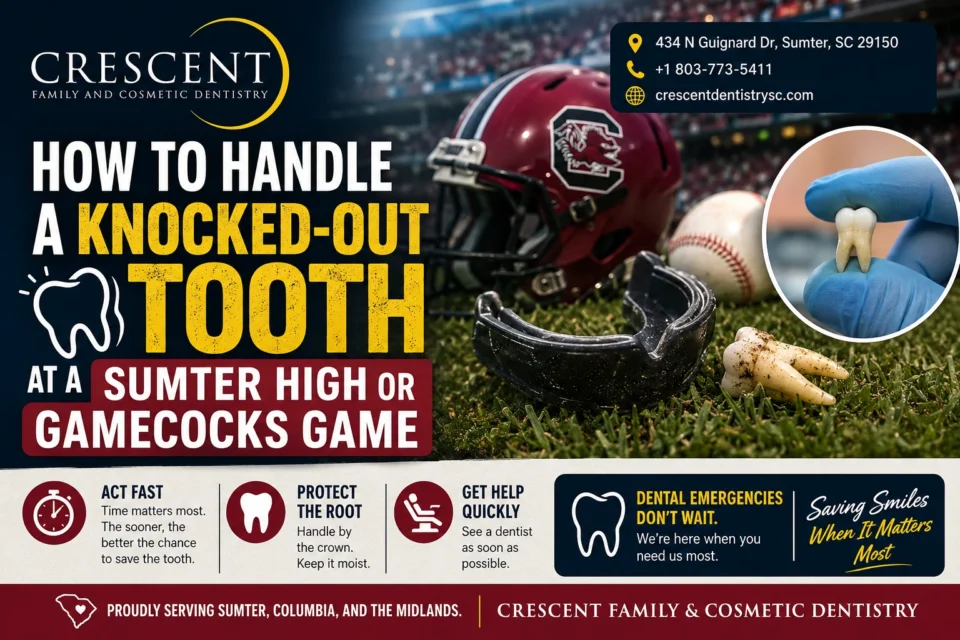
- Trauma from sports or accidents that occur during leisure time
Weekends and evenings are when people relax, eat differently, and engage in activities they don’t do during the workday. That combination increases risk.
Many dental emergencies aren’t sudden. They’re delayed reactions. The tooth didn’t crack instantly. The infection didn’t form overnight. The pain simply reached a level that could no longer be tolerated.
How Changes in Daily Habits are Contributing to More After-Hours Dental Crises?
Daily habits have changed significantly over the past decade, and teeth are feeling the effects.
Stress levels are higher. Diets include more acidic and sugary foods. Teeth grinding has become more common. People snack late, drink more coffee or energy drinks, and often forget how these habits affect oral health.
Some modern habits contributing to after-hours dental crises include:
- Increased stress-related clenching and grinding
- Late-night snacking without proper oral hygiene
- Higher consumption of acidic beverages
- Irregular sleep schedules affecting pain perception
- Delayed response to early warning signs
Stress deserves special attention here. Chronic stress weakens the immune system, increases inflammation, and contributes to jaw tension. All of that creates the perfect environment for dental problems to flare up at inconvenient times. For people who regularly wake up wondering why their jaw hurts in the morning, clenching and grinding may be contributing factors worth discussing with a dentist.
Another factor is self-diagnosis. With easy access to online advice, many people try to manage symptoms themselves. Pain relievers, saltwater rinses, and waiting it out become the plan until the pain spikes suddenly at night.
That’s when emergency dentists get the call.
Why Emergency Dental Care Demand Has Increased in Recent Years?
The rise in after-hours dental emergencies isn’t happening in isolation. It’s part of a broader shift in how people approach healthcare.
In recent years, demand for emergency dental care has increased because:
- Preventive care was delayed for extended periods
- Patients are more willing to seek urgent care when pain hits
- Awareness of emergency dental services has improved
- Access to flexible care options has expanded
- People expect solutions, not just temporary relief
There’s also a growing understanding that dental emergencies aren’t something to push through. Patients are recognizing that untreated dental infections and trauma can lead to serious complications.
This rise reflects a healthier mindset. People are taking dental pain seriously instead of dismissing it as something to endure.
At the same time, it highlights a gap. Many emergencies could be prevented with earlier intervention. But life doesn’t always make room for perfect planning.
The Cost of Waiting Until Pain Decides
One of the hardest lessons emergency dentists see patients learn is that pain doesn’t measure the size of a problem accurately. Small issues can cause intense pain, and serious problems can be painless until they’re not.
Waiting until pain dictates action often leads to:
- More complex treatment
- Higher costs
- Longer recovery times
- Increased anxiety
- Disrupted sleep and daily life
The rise in after-hours dental crises is a signal, not a failure. It shows that people care about their oral health, even if timing isn’t ideal.
Emergency dentists aren’t just fixing teeth. They’re restoring peace of mind in moments when patients feel overwhelmed and uncomfortable. In those high-stress situations, a dentist’s tone can impact patient trust during procedures, especially when calm communication helps patients understand what is happening and what needs to happen next.
Emergency Dentistry Is Becoming an Essential Safety Net
As lifestyles become busier and stress levels remain high, emergency dental care has shifted from a niche service to an essential part of modern dentistry.
Patients need to know there’s somewhere to turn when pain strikes outside normal hours. That reassurance alone can reduce anxiety and prevent people from making problems worse by waiting too long.
Emergency dental care isn’t about encouraging panic visits. It’s about acknowledging reality. Teeth don’t follow calendars. Problems don’t schedule themselves conveniently.
And when they happen, access matters.
When Dental Pain Won’t Wait, Neither Should You
At Crescent Family and Cosmetic Dentistry of Columbia, we understand that dental emergencies don’t always happen between nine and five. When pain hits, stress rises quickly, and waiting can make everything worse.
Our team is here to provide calm, professional emergency dental care when you need it most. Whether it’s a sudden toothache, a broken tooth, or unexpected swelling, we focus on relieving pain, addressing the problem, and helping you feel like yourself again.
If dental pain is disrupting your night or weekend, don’t push through it. Reach out to Crescent Family and Cosmetic Dentistry of Columbia and get the care you need when it matters most.