
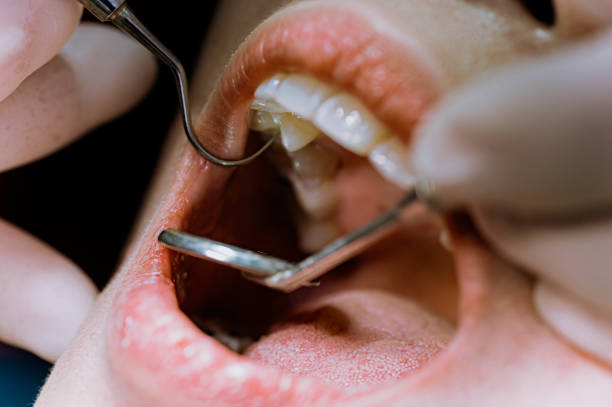
How Painful is a Root Canal Procedure Today?
Just hearing the words root canal can make people nervous, but the procedure is not what many expect anymore. A lot of the fear comes from old stories, not from what treatment feels like today.
Thanks to modern techniques and better numbing methods, the root canal pain level is usually much lower than people think.
In this blog, we will talk about what the experience is really like, what discomfort to expect, and how a modern root canal procedure in Sumter, SC can help relieve pain instead of causing more of it. Sometimes the fear is worse than the treatment.
Do Root Canals Hurt With Modern Dentistry?
The biggest myth about a root canal is that it is extremely painful. In reality, modern dentistry has changed the experience dramatically.
Numbing technology makes a major difference
Before the procedure begins, your dentist will numb the area thoroughly. This helps prevent you from feeling sharp pain during treatment. You may still notice pressure or movement, but the goal of the procedure is to keep you comfortable while the infected tissue inside the tooth is removed.
This is why the actual root canal pain level during treatment is often much lower than people imagine. Most patients say the experience is easier than expected.
The infection usually hurts more than the treatment
A damaged or infected tooth can cause throbbing pain, sensitivity to hot and cold, or discomfort when chewing. The root canal is designed to remove the source of that pain. So while the idea of the procedure may sound intimidating, it is actually the step that helps stop ongoing pain, not create it. According to the American Association of Endodontists, modern root canal treatments are comparable to routine dental procedures in terms of comfort.
Comfort has improved with modern care
A modern root canal procedure in Sumter, SC is more precise and more patient-friendly than older versions people may have heard about years ago. Dentists now have better imaging, better tools, and better techniques to make treatment smoother and more efficient.
How Long Does a Root Canal Procedure Take?
The length of a root canal depends on which tooth is being treated and how complex the case is, but many procedures take about 60 to 90 minutes.
Front teeth vs back teeth
Front teeth usually have fewer canals, which can make treatment faster. Molars in the back of the mouth often have multiple canals, which may take longer to clean and seal properly.
Some cases need more than one visit
In certain situations, the dentist may recommend two visits instead of one. This can happen if the infection is severe, if there is significant inflammation, or if the tooth needs extra attention before final restoration.
Planning helps reduce stress
Knowing the appointment is often manageable in length can help reduce anxiety. For many patients, fear of the unknown increases concern about root canal pain level. But once they understand that a modern root canal procedure in Sumter, SC is usually completed in a straightforward, carefully controlled visit, it feels much less overwhelming.
What Should I Expect After a Root Canal?
After a root canal, it is normal to have some mild soreness or tenderness, especially for a few days. This usually comes from the surrounding tissue being irritated or from keeping the mouth open during the appointment.
Common short-term symptoms
After treatment, you may notice:
- Mild tenderness when biting
- Slight soreness around the tooth
- Sensitivity in the surrounding area
- Temporary jaw fatigue
These symptoms are typically much easier to manage than the pain caused by the infected tooth before treatment.
Most recovery is very manageable
Over-the-counter pain relief is often enough for the recovery period, unless your dentist recommends something else. Many patients return to work or normal routines quickly after a root canal.
A crown may still be needed
In many cases, especially for back teeth, the treated tooth will need a crown afterward. This helps protect it from cracking and restores strength for chewing. Learn more about how dental crowns restore and protect teeth after procedures like root canals.
Patients often ask about the root canal pain level after treatment, but most are relieved to find that the healing discomfort is temporary and far less intense than the pain that sent them to the dentist in the first place.
Is a Root Canal Worse Than a Tooth Extraction?
Many patients compare a root canal to extraction because they want the fastest way to stop tooth pain. But removing a tooth is not always the better or easier option.
Saving the natural tooth has real advantages
A root canal allows your dentist to remove infection while preserving the natural tooth structure. Keeping your natural tooth can help maintain chewing function, bite alignment, and jaw stability.
Extraction often creates a second problem
When a tooth is extracted, you still have to decide whether to replace it. That may mean needing a bridge, denture, or implant later. In many cases, a root canal can be the more conservative and cost-effective long-term solution.
Pain comparison is not always what people expect
People sometimes assume extraction is easier because the tooth is simply removed. But healing from an extraction can also involve soreness, bleeding, and added decisions about tooth replacement. A modern root canal procedure in Sumter, SC may actually be less disruptive because it addresses the infection while keeping the tooth in place. For comparison, explore what to expect from a tooth extraction procedure.
How Long Does Pain Last After a Root Canal?
For most patients, discomfort after a root canal lasts only a few days. Some mild sensitivity may linger a little longer, but it should gradually improve.
Typical recovery timeline
Many patients notice:
- First 24 to 48 hours: mild soreness or tenderness
- First week: improvement in chewing comfort
- After one to two weeks: significant reduction or full resolution of symptoms
When to call the dentist
If pain gets worse instead of better, or if swelling returns, it is important to contact your dental office. Persistent symptoms may mean the area needs reevaluation.
Focus on the bigger picture
When people search for root canal pain level, they often picture long-term pain after treatment. That usually is not the case. The point of the root canal is to remove the damaged pulp and stop the deeper source of discomfort. Most healing is short-lived and manageable.
Are There Alternatives to a Root Canal?
The main alternative to a root canal is usually extracting the tooth. Whether that is appropriate depends on the condition of the tooth and the surrounding bone.
When extraction may be considered
If a tooth is too badly damaged to restore, extraction may be the better option. This can happen if there is severe fracture, major structural loss, or advanced infection that compromises the tooth beyond repair.
Why watchful waiting is risky
Some patients hope the pain will go away on its own. Unfortunately, an infected tooth does not typically heal without treatment. The pain may temporarily lessen if the nerve begins to die, but the infection can still spread and lead to more serious problems.
Saving the tooth is often preferred
A root canal is often recommended because it treats the infection while preserving your natural smile. In many cases, that makes it the most practical and beneficial choice compared to simply removing the tooth.
For patients considering a modern root canal procedure in Sumter, SC, the decision usually comes down to whether the tooth can be saved in a healthy, functional way. If it can, preserving it is often worth it.
Why Do People Fear Root Canals?
Fear of a root canal is common, but much of it comes from outdated stories, secondhand experiences, and misunderstanding.
Old reputations are hard to shake
For decades, root canals were used in jokes, movies, and stories as the symbol of painful dental treatment. Even though dentistry has improved significantly, the reputation stuck.
Anxiety often comes from existing pain
When someone already has an infected tooth, they may associate that pain with the upcoming procedure. But the procedure is actually what helps stop the pain source.
Fear of the unknown makes everything feel bigger
Many patients have never had a root canal, so they imagine the worst. They may not know what will happen during the visit, how long it takes, or what recovery feels like. Once the process is explained clearly, anxiety usually drops.
Modern dentistry is changing the experience
A modern root canal procedure in Sumter, SC is designed to be efficient, precise, and as comfortable as possible. Better anesthesia, better tools, and a gentler treatment experience have changed what patients can expect. If dental anxiety is a concern, this guide on overcoming fear of the dentist can provide additional insight.
Final Thoughts
A root canal today is usually far less painful than most people expect. In many cases, the procedure feels more like getting a routine filling than the scary experience people imagine.
What often hurts more is the infection or tooth pain leading up to treatment, not the treatment itself. Understanding how modern root canals work can take away a lot of fear and make it easier to get the care you need.
When treated early, a root canal can relieve discomfort, save your natural tooth, and help you get back to feeling normal again.
Protect Your Smile Before Tooth Pain Gets Worse
What starts as sensitivity or occasional discomfort can turn into severe pain, swelling, or even tooth loss. That is why early treatment matters. A modern root canal procedure in Sumter, SC can often stop the problem before it becomes more complicated.
At Crescent Family and Cosmetic Dentistry, we help patients feel informed and comfortable every step of the way. If you are dealing with tooth pain or wondering whether a root canal may be the right solution, our team is here to provide clear answers and compassionate care. You can easily schedule your appointment or contact our team to protect your smile with confidence.