
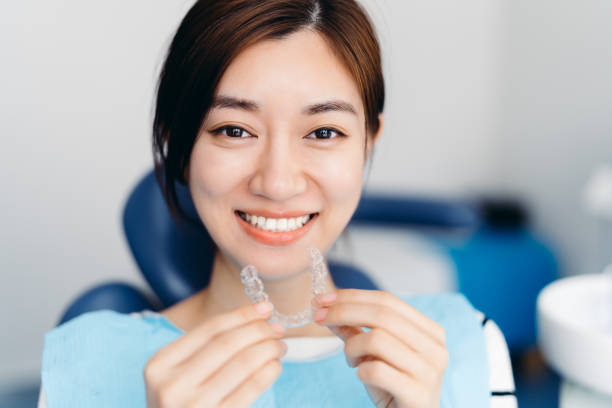
How Invisalign Changed the Way Dentists Measure Bite Stability Long Term
Straight teeth used to be the finish line. Once braces came off and the smile looked good, treatment was considered done. But dentists started noticing something years later.
Some bites held up, and others quietly shifted. That’s where Invisalign changed the conversation. It didn’t just straighten teeth. It gave dentists a better way to see how teeth move over time and how bites actually function long term.
By planning and measuring tooth movement digitally, Invisalign helped shift the focus from short-term results to long-term stability, changing how success is defined in orthodontic care.
How Does Invisalign Impact Long-Term Bite Stability Compared to Traditional Braces?
Traditional braces rely on wires and brackets to move teeth into position. They are effective, but they often focus first on alignment, with bite refinement happening later in treatment. Much of the long-term bite assessment occurs after braces come off.
Invisalign flipped that approach.
With Invisalign, the bite is digitally planned from the very beginning. Dentists can see how the teeth are expected to function at the end of treatment, not just how they will look.
This shift matters for long-term stability.
Invisalign impacts bite stability by:
- Planning tooth movement in smaller, controlled increments
- Visualizing final bite contact before treatment begins
- Reducing unintended tipping or torque
- Allowing dentists to adjust bite relationships throughout treatment
- Creating predictable, trackable bite changes over time
Because each aligner represents a specific stage, dentists can evaluate progress continuously. If the bite isn’t tracking as planned, corrections happen early instead of being discovered years later. Orthodontic treatment becomes proactive instead of reactive.
Why Do Dentists Consider Invisalign When Evaluating Long-Term Occlusion Changes?
Occlusion, or how teeth come together, is not static. It changes with age, wear, muscle function, posture, and daily habits. Traditional orthodontic records offered limited insight into how these changes unfold over time.
Invisalign introduced longitudinal bite data.
Because treatment is digitally mapped from start to finish, dentists can compare:
- Initial bite relationships
- Mid-treatment occlusion
- Final alignment
- Post-treatment stability
Instead of a single snapshot, dentists now have a timeline.
This data helps dentists understand:
- How teeth respond to controlled forces
- Where relapse tends to occur
- Which areas are more prone to bite collapse
- How predictable certain movements are long term
Rather than guessing whether a bite will remain stable, dentists can evaluate real patterns across similar cases. This has raised expectations across orthodontics and changed how outcomes are measured.
What Role Does Invisalign Play in Measuring Bite Alignment Over Time?
One of Invisalign’s most important contributions isn’t visible to patients. It’s the measurement system behind the aligners.
Every case starts with a detailed digital scan that becomes a baseline reference. As treatment progresses, additional scans allow dentists to compare real outcomes against projected results.
This allows dentists to:
- Measure how accurately teeth are tracking
- Identify bite discrepancies early
- Quantify changes in overbite, overjet, and contact points
- Assess whether stability is improving or declining
Over time, trends emerge. Some bite patterns stabilize quickly and remain consistent. Others require refinement or longer retention. Some benefit from additional support to maintain balance.
Invisalign transformed bite stability into something measurable, not just observable. That change has influenced long-term planning across dentistry.
How Has Invisalign Influenced Modern Orthodontic Approaches to Maintaining Bite Stability?
Before Invisalign, retention was often treated as a universal solution. Wear your retainer, and everything should stay in place.
Experience has shown it’s not that simple.
Invisalign helped shift orthodontic thinking toward:
- Individual bite behavior
- Personalized retention strategies
- Ongoing evaluation rather than a one-time finish
Dentists now recognize that some bites are naturally more stable, while others require longer or modified retention. Muscle forces, jaw position, and functional habits play a much larger role than previously understood.
Instead of finishing treatment and hoping for the best, stability is now designed into the plan.
Why Bite Stability Matters More Than Straight Teeth
Straight teeth alone don’t guarantee long-term success.
A bite that looks great but functions poorly can lead to:
- Tooth wear
- Jaw discomfort
- Headaches
- Relapse and shifting
- Complications with future dental work
Invisalign has highlighted how important bite balance is to overall oral health. Because aligners move teeth gradually and predictably, dentists can focus on how teeth contact during chewing, speaking, and rest.
This functional focus has influenced orthodontics, restorative planning, TMJ considerations, and long-term maintenance strategies. Bite stability is no longer secondary. It’s central.
What Dentists Have Learned From Invisalign Relapse Patterns
Relapse happens. Teeth move. Biology doesn’t stop.
What Invisalign has done is make relapse patterns easier to track.
Dentists have learned:
- Which bite types are more prone to shifting
- When relapse typically occurs
- How retention strategies affect outcomes
- Which movements are most stable long term
This has led to better patient education and more realistic expectations. Stability is now viewed as a partnership between treatment design and ongoing care.
Invisalign’s Influence Beyond Orthodontics
Invisalign’s impact reaches beyond straightening teeth.
Restorative dentists now use Invisalign data to:
- Plan crowns and veneers with bite stability in mind
- Predict how restorations interact with natural teeth
- Avoid creating occlusal imbalances
General dentistry has become more occlusion-aware because Invisalign made bite relationships easier to visualize and measure.
Why Long-Term Measurement Changed Patient Conversations
One of Invisalign’s biggest changes wasn’t technical. It was how dentists talk to patients.
Conversations now include:
- How bites change over time
- Why retention matters
- What stability really means
- How aligners support lifelong oral health
Patients feel more informed. Dentists feel more confident. Expectations are clearer on both sides.
Invisalign Didn’t Just Change Orthodontics. It Changed Perspective.
Invisalign changed how dentists think about time.
Instead of focusing only on the end of treatment, the focus shifted to what happens after. Bite stability is no longer assumed. It’s planned, measured, and maintained.
That shift benefits patients long after aligners are done.
Where Precision and Long-Term Care Come Together
At Crescent Family and Cosmetic Dentistry of Columbia, we believe orthodontic treatment should be measured in years, not just months. Our Invisalign approach focuses on bite stability, long-term function, and personalized care that supports your smile well beyond the final aligner.
If you’re considering Invisalign or wondering how orthodontic care fits into your long-term oral health, our team is here to guide you with clarity and expertise. Contact Crescent Family and Cosmetic Dentistry of Columbia to experience Invisalign care designed for lasting stability, not just a temporary result.