Dental Implants and Facial Structure: What Changes and What Stays the Same
Most people think about dental implants in terms of teeth. Will they look natural? Will they feel secure? What often gets overlooked is how missing teeth affect the shape of your face over time.
Tooth loss doesn’t just leave a gap in your smile. It changes how your jawbone supports your cheeks and lips. That’s why dental implants are about more than replacement. They play a role in preserving facial structure.
If you’re considering implants, it helps to understand what truly changes, what stays the same, and what that means for your long-term appearance.
How do dental implants affect facial structure over time?
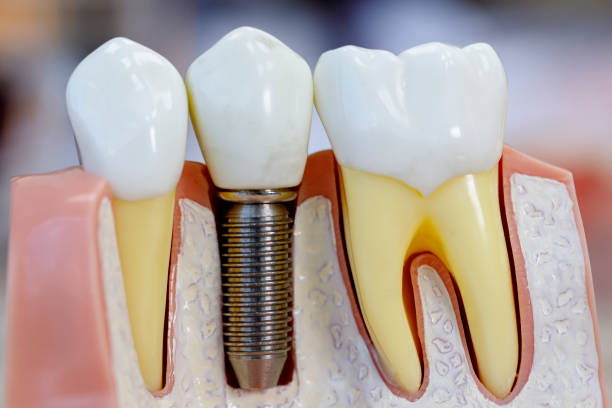
Dental implants do something traditional tooth replacements can’t. They stimulate the jawbone.
When a tooth is lost, the bone underneath no longer receives pressure from chewing. Over time, that area begins to shrink. Dental implants replace the root of the tooth, which keeps the bone engaged and active.
Over time, implants:
- Provide support where bone loss might occur
- Maintain natural facial contours
- Help preserve jaw alignment
- Prevent surrounding teeth from shifting
- Support lips and cheeks
- Maintain overall symmetry
The key difference is that implants integrate with the jawbone. That connection allows them to function like natural teeth, which helps the bone stay stronger longer.
While implants don’t dramatically change your face overnight, they help prevent gradual structural changes that would otherwise happen after tooth loss. Think of them as long-term support rather than cosmetic alteration.
Can dental implants prevent facial collapse after tooth loss?
Facial collapse sounds dramatic, but it’s a real concern after multiple missing teeth. As bone loss progresses, the lower third of the face can appear shorter or sunken.
Dental implants can help prevent this by:
- Replacing missing tooth roots
- Preserving bone density
- Supporting facial muscles
- Maintaining vertical facial height
- Reducing deep wrinkles around the mouth
- Keeping bite structure stable
Without tooth roots, the jawbone shrinks. When that happens, lips may appear thinner and cheeks less supported. Over time, this can create an aged appearance.
Implants slow or stop that process by stimulating the bone the way natural roots do. They don’t reverse significant bone loss that has already occurred without additional procedures, but when placed early, they are highly effective in preventing further collapse.
This is why timing matters. The sooner missing teeth are replaced with implants, the better the long-term facial support.
What facial changes happen after getting dental implants?
Patients sometimes worry that implants will drastically change how they look. In most cases, the changes are subtle but positive.
After getting dental implants, you may notice:
- Improved fullness around the mouth
- Better lip support
- More balanced facial proportions
- Improved bite alignment
- A more natural resting expression
- Increased confidence in smiling
If you had noticeable bone loss before treatment, restoring missing teeth can improve facial balance. However, implants are designed to blend in, not transform your appearance.
The goal is restoration, not alteration. Most patients say they look like themselves again, just healthier and more confident.
Because implants are anchored securely, they also improve chewing and speaking. That functional improvement often changes posture and expression in small but meaningful ways.
Do dental implants restore jawbone and facial appearance?
Dental implants help maintain jawbone health, but it’s important to understand what restoration really means.
Implants:
- Stimulate bone to prevent further loss
- Integrate with existing jawbone
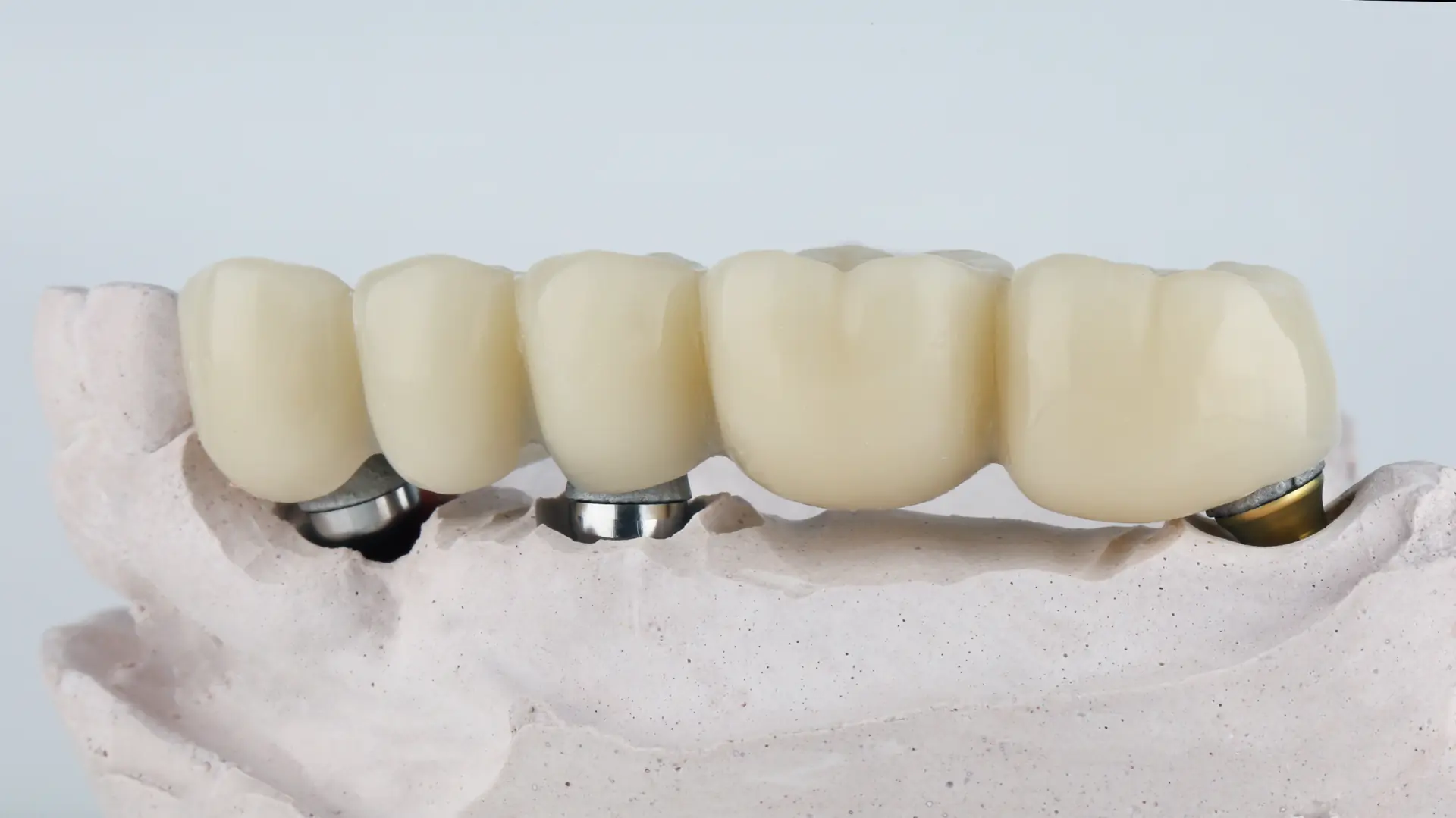
- Support prosthetic teeth naturally
- Preserve facial height
- Improve overall structural stability
They don’t automatically rebuild large amounts of lost bone on their own. In cases of advanced bone loss, additional procedures like bone grafting may be recommended before implant placement.
Once integrated, implants create a stable foundation that supports facial structure long term. They act as anchors that keep the jaw functioning the way it was designed to.
The biggest restoration is stability. Instead of gradual shrinkage and shifting, implants provide long-term consistency. That consistency is what keeps facial appearance closer to its natural form over time.
Restore Your Smile While Protecting Your Facial Structure
Replacing missing teeth isn’t just about filling gaps. It’s about protecting your jawbone and maintaining the shape of your face.
At Crescent Family and Cosmetic Dentistry of Columbia, we take a comprehensive approach to dental implants. We focus on long-term function, bone health, and natural-looking results that support your overall appearance.
Our goal is to help you feel confident, comfortable, and supported for years to come. If you’re considering dental implants, we’re here to guide you through every step with clarity and care.