How Do I Know If I Need a Dental Crown or a Filling?
Not every damaged tooth needs the same kind of fix, and that is where things can get confusing. Sometimes a simple filling does the job, but other times a dental crown is the better choice for protecting the tooth long term.
If you are wondering about crown vs filling, the answer usually depends on how much of the tooth is damaged, where it is located, and how much strength it needs.
In this blog, we will break down the signs to watch for and explain when to get dental crown in Sumter, SC so choosing the right treatment feels a lot easier.
What’s The Difference Between a Filling and a Crown?
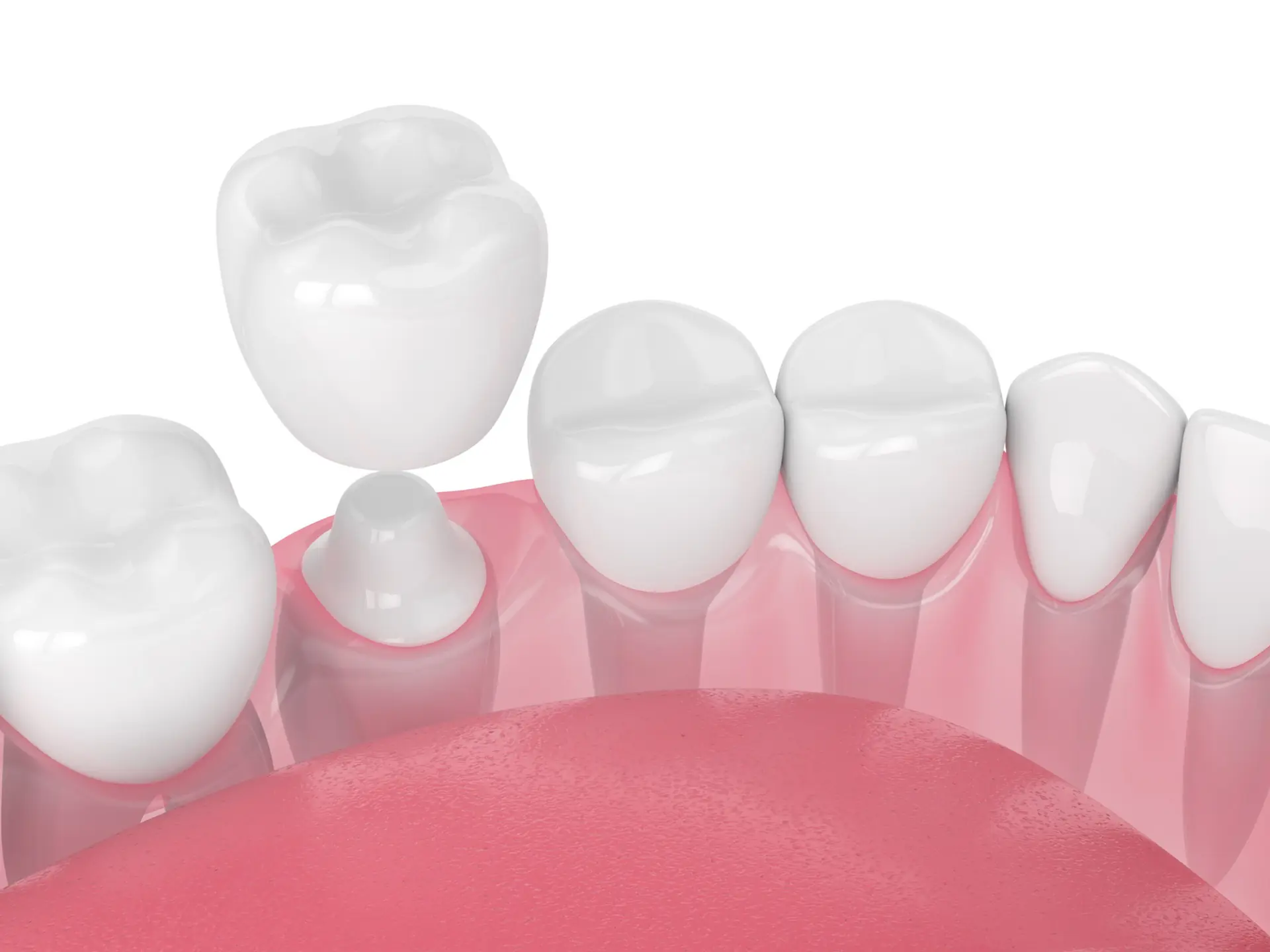
A filling repairs a smaller damaged area inside the tooth, while a Dental Crown covers and protects the entire visible outer portion of the tooth. Cleveland Clinic describes a crown as a tooth-shaped cap that fits over your whole tooth, while Mayo Clinic notes that crowns are used when a tooth has a lot of decay or is weakened and needs more protection against fracture.
A filling is more conservative
With a filling, the dentist removes decay or damaged tooth material and fills that area with a restorative material. The goal is to preserve as much natural tooth as possible while restoring shape and function. This makes fillings a common choice when the problem is smaller and the remaining tooth is still strong enough to handle normal biting forces.
The ADA’s restorative caries guidance supports direct restorative materials such as fillings for appropriate caries treatment depending on the extent of the lesion.
A crown provides full coverage
A Dental Crown works differently because it is designed to go over the whole tooth like a protective shell. To place it, the dentist usually reshapes the tooth so the crown can fit properly. This full-coverage design is why crowns are often recommended for teeth that are cracked, heavily worn, structurally weak, or heavily decayed.
The real question is support
When people compare Crown vs filling, the real issue is not just the size of the cavity. It is whether the remaining tooth can safely function after repair. If the tooth still has enough healthy structure, a filling may be all you need. If the tooth is too compromised, a crown may help protect it from breaking later.
When is a Crown Better Than a Filling?
A crown is usually the better option when the tooth needs more support than a filling can reliably provide. Mayo Clinic states that when there is a lot of decay or weakened tooth structure, a crown can help protect the tooth and reduce the risk of fracture. Cleveland Clinic likewise notes that crowns are used for decayed, broken, weak, or worn-down teeth.
Large areas of decay
If decay has removed too much of the tooth, a filling may not leave enough strong structure behind. In that case, the tooth might look repaired at first but still be vulnerable to cracking under chewing pressure. A dental crown can redistribute biting forces more effectively because it surrounds and protects the entire tooth.
A cracked or fractured tooth
A cracked tooth may need more than a filling because the issue is not only lost material. It is also the tooth’s ability to stay together under pressure. A crown may be recommended when the goal is to hold the tooth together and reduce the chance that the crack worsens.
This is one of the clearest situations where crown vs filling becomes less about decay and more about structural integrity.
After root canal treatment
Crowns are also commonly used on root canal-treated teeth because those teeth can be more brittle or weakened afterward. Cleveland Clinic specifically notes that dentists use crowns for root canal-treated teeth as well, often following procedures like root canals.
Replacing a very large old filling
If a tooth already has a large existing filling and that filling fails, the remaining natural tooth may no longer be strong enough for another large direct repair. In that situation, when to get dental crown in Sumter, SC often comes down to preventing the cycle of repeated fillings followed by a broken tooth.
Can a Filling Turn Into Needing a Crown Later?
Yes, absolutely. A tooth that starts with a filling can later need a dental crown if the tooth becomes weaker, develops new decay, fractures, or loses more structure over time. That progression is common because fillings repair the damaged area, but they do not make the tooth immune to future stress or breakdown.
Fillings do not stop time
Teeth continue to go through chewing pressure, temperature changes, wear, and possible new decay after a filling is placed. If a tooth already has one large filling and then needs another repair later, the remaining natural structure may become too limited to support another filling well. That is often when the crown vs filling decision shifts toward a crown.
Small damage can grow into bigger damage
A cavity caught early may only need a filling. But if the issue gets larger, reaches more surfaces, or causes more structural compromise, the treatment recommendation can change. The ADA’s restorative guidance emphasizes that treatment depends on lesion extent, which is another way of saying that the size and severity of the problem matter.
This is why regular exams matter
Mayo Clinic notes that regular dental exams can help dentists identify changes in teeth and determine whether treatment is needed before problems worsen. That matters because a tooth that could have been treated with a filling earlier may later need a crown if damage progresses too far. Routine dental exams play a key role in catching these issues early.
How Do Dentists Decide Between a Crown or Filling?
Dentists decide between a filling and a dental crown by evaluating how much healthy tooth remains, where the damage is located, how strong the tooth is, and how much pressure it will have to handle. The choice is based on preservation and protection, not just the patient’s preference or the tooth’s appearance.
They look at the size of the damaged area
A smaller cavity or chip may be managed with a filling, especially if the surrounding enamel and tooth walls remain strong. Larger damage may require tooth fillings or escalate to a crown depending on structural support.
They consider which tooth is involved
Back teeth usually handle more chewing force than front teeth. That means a damaged molar may need a crown sooner than a front tooth with a similar-looking cavity, because the molar has to survive much stronger biting pressure. This is an inference based on standard restorative principles and the fact that crowns are used to protect weak teeth from fracture under function.
They assess cracks, old fillings, and bite stress
A tooth with a crack, a history of repeated fillings, or heavy grinding forces may be a poor candidate for another large filling. Mayo Clinic notes that clinicians monitor wear and damage from bruxism, and those forces can influence restorative decisions.
They choose the option that best protects the tooth
The best crown vs filling decision is the one that gives the tooth the highest chance of staying functional long term. Sometimes that means choosing the more conservative option. Other times it means using a crown before the tooth breaks and becomes a bigger problem.
Are Crowns More Durable Than Fillings?
In general, crowns are often more durable than fillings when a tooth has significant structural damage, because a dental crown covers the whole tooth and provides broader protection. That does not mean crowns are always better. It means they are usually more protective in situations where the tooth is already weakened.
Crowns are built for support
Cleveland Clinic notes that crowns restore weak, broken, or worn-down teeth. Because they fully cover the tooth, they can help distribute chewing forces more evenly and reduce the chance that thin remaining tooth walls break.
Fillings work well when the tooth is still strong
A filling can last very well when the surrounding tooth remains healthy and sturdy. The problem is that a large filling inside a thin, weakened tooth can leave that tooth more vulnerable to fracture than a full-coverage restoration would. That is why durability in the crown vs filling comparison depends heavily on the condition of the tooth, not just the material itself.
Crowns still need care
Crowns are not indestructible. Cleveland Clinic says crowns can last between five and 15 years with proper care, though real-world lifespan varies based on materials, bite forces, home care, and habits like grinding.
How Much Tooth Damage Requires a Crown?
There is no single percentage of damage that automatically means you need a dental crown, but the more tooth structure that is lost, the more likely a crown becomes the safer option. Mayo Clinic says crowns may be needed when there is a lot of decay or a weakened tooth that needs protection from fracture.
It is about strength, not just size
Two cavities can look similar on an X-ray yet lead to different treatment choices depending on where they are, whether the cusps are undermined, how much of the tooth is already restored, and how much bite pressure the tooth must have.
In other words, when to get dental crown in Sumter, SC depends on how compromised the tooth is overall, not just the width of the cavity. This is an inference supported by crown use for weak teeth and ADA guidance that restorative decisions depend on lesion extent.
Signs the damage may be crown-level
A crown may be more likely when:
- the cavity is very large
- one or more cusps are weak or missing
- the tooth has cracked
- there is an old large filling taking up much of the tooth
- the tooth had a root canal
- the tooth hurts when biting because of structural compromise
These situations align with the clinical uses for crowns described by Cleveland Clinic and Mayo Clinic.
Is a Crown More Expensive Than a Filling?
Yes, a crown is usually more expensive than a filling because it involves more materials, more lab or fabrication work, and more tooth coverage.
A filling is generally simpler and more conservative, so the fee is usually lower. This is a general dental practice reality, though exact fees vary by material, office, insurance coverage, and region.
Cost should be viewed in context
A filling may cost less upfront, but if a tooth is too weak for a filling and fractures later, the long-term cost may end up being higher. That is why the crown vs filling decision should not be based on price alone. The better question is which option gives the tooth the best chance of lasting.
Insurance and materials can change the number
Crowns can vary in price depending on whether they are porcelain, metal, zirconia, or other materials. Fillings also vary depending on size and material. Because of that, the most practical way to approach when to get dental crown in Sumter, SC is to ask not only about price, but also about why the dentist is recommending that level of restoration for your specific tooth.
The cheapest option is not always the best value
If a crown is recommended because the tooth is at high risk of breaking, choosing a filling only because it costs less may not actually save money. Long-term value often comes from protecting the tooth appropriately the first time.
Conclusion
Deciding between a filling and a crown comes down to how much support your tooth really needs.
Smaller issues can often be fixed with a simple filling, but when the tooth is weakened, a crown may offer better long-term protection. Waiting too long can turn a small problem into a bigger one, which is why early evaluation matters.
Understanding the difference helps you make a more confident choice. In the end, the right treatment is the one that keeps your tooth strong, functional, and protected for years to come.
Protect Your Tooth Before Small Damage Becomes Bigger Treatment
In the crown vs filling decision, long-term protection matters most. A problem that starts small can grow if it is ignored. Knowing when to get dental crown in Sumter, SC begins with getting the tooth evaluated before the damage becomes more serious.
At Crescent Family and Cosmetic Dentistry, we help patients understand their treatment options clearly so they can make confident decisions about protecting their smiles. You can easily schedule a visit to get personalized guidance based on your specific needs.
Whether your tooth needs a simple filling or the added protection of a dental crown, getting the right treatment at the right time can make all the difference.