Can Teeth Grow Back After Extraction? What You Should Know
Losing a tooth can spark a surprisingly hopeful question: Will it grow back?
It is a fair question. After all, our bodies regenerate skin, heal broken bones, and recover from cuts. So why not teeth?
The short answer is this: sometimes yes, sometimes no. It depends entirely on which tooth we are talking about.
Let’s unpack what actually happens after an extraction, why adult teeth do not regrow, and what you should do next if you or your child loses a tooth.
How Human Teeth Develop and Why They Don’t Regrow
Before we talk about regrowth, it helps to understand how teeth develop in the first place.
The Two Sets of Teeth Humans Have
Humans are what dentists call “diphyodont,” meaning we get two sets of teeth in our lifetime.
Primary (Baby) Teeth
Baby teeth usually begin erupting around six months of age. By about age three, most children have a full set of 20 primary teeth.
These teeth serve important purposes:
- Helping children chew properly
- Supporting speech development
- Holding space for permanent teeth
- Guiding jaw growth
They are temporary by design.
Permanent Teeth
Around age six, permanent teeth begin to replace baby teeth. Most people end up with 28 permanent teeth, or 32 if wisdom teeth fully erupt.
These adult teeth are meant to last a lifetime. And this is where the biology changes.
Why Permanent Teeth Cannot Naturally Grow Back
Teeth form from structures called tooth buds during early development. These buds exist for both baby and permanent teeth.
Once your permanent teeth develop and erupt, there are no additional tooth buds waiting in reserve.
That is the key reason permanent teeth cannot naturally grow back.
Unlike sharks, which continuously regenerate teeth, humans only develop:
- One set of baby teeth
- One set of adult teeth
That is it.
A related question people often ask is: Which tooth takes the longest to grow back?
Technically, no permanent tooth “grows back.” However, in terms of eruption timeline, second molars and wisdom teeth take the longest to emerge. Second molars typically erupt around ages 11 to 13, and wisdom teeth can appear anywhere between ages 17 and 25, if they erupt at all.
But once those teeth are removed, they are not coming back.
Do Baby Teeth Grow Back After Extraction?
This is where things get a little more hopeful.
If a baby tooth is extracted, the permanent tooth underneath may still erupt. But timing matters.
Normal Timeline for Baby Tooth Replacement
Permanent teeth typically begin erupting around age six. After a baby tooth falls out naturally, it often takes a few weeks to several months for the adult tooth to emerge.
If a baby tooth is pulled early due to decay or trauma, the permanent tooth may still follow its natural eruption schedule.
So how long does it take for a tooth to grow back after getting pulled?
- If it is a baby tooth and the permanent tooth is ready, you might see eruption within weeks or months.
- If it is a permanent tooth, it will not grow back.
That distinction is critical.
What Causes Delayed Permanent Tooth Eruption?
Sometimes, a permanent tooth takes longer than expected to appear. Possible reasons include:
- Impacted or misaligned teeth
- Thickened gum tissue
- Missing tooth buds
- Nutritional deficiencies
- Harmful oral habits such as thumb sucking
In some cases, an X-ray reveals that the permanent tooth simply never developed.
Risks of Delayed Tooth Eruption in Children
When permanent teeth are delayed, several issues can arise:
- Shifting of nearby teeth
- Bite problems and crowding
- Jawbone development changes
Baby teeth are excellent placeholders. But if they are lost too early and no space maintainer is used, surrounding teeth may drift into the empty space.
That can complicate future orthodontic treatment.
When Should Parents See a Dentist?
Parents should schedule an evaluation if:
- A baby tooth is lost and no adult tooth appears within six months
- There is swelling or discomfort
- Teeth appear crowded or misaligned
- A child experiences trauma to the mouth
Early assessment prevents small concerns from turning into larger issues.
Can Wisdom Teeth Grow Back After Extraction?
Wisdom teeth are mysterious enough without adding regrowth rumors into the mix.
What Are Wisdom Teeth and When Do They Erupt?
Wisdom teeth are third molars located at the back of the mouth. They typically erupt between ages 17 and 25, though some never fully emerge.
Do Wisdom Teeth Regrow After Removal?
No. Once a wisdom tooth is extracted, it does not grow back.
There are rare cases of supernumerary teeth, meaning extra teeth beyond the normal set. Occasionally, a person may have an additional wisdom tooth that was not visible initially. But this is uncommon.
If your dentist removed your wisdom teeth, they are not returning.
Common Reasons Wisdom Teeth Are Removed
Wisdom teeth are often extracted due to:
- Impaction
- Pain and swelling
- Crowding and shifting
- Infection risk
Removing them does not trigger regrowth. It simply prevents further complications.
Can a Permanent Molar Grow Back After Being Pulled?
This is one of the most common adult concerns.
What Happens After a Molar Is Extracted?
After a molar is removed:
- A blood clot forms in the socket
- The area begins healing
- The bone gradually remodels
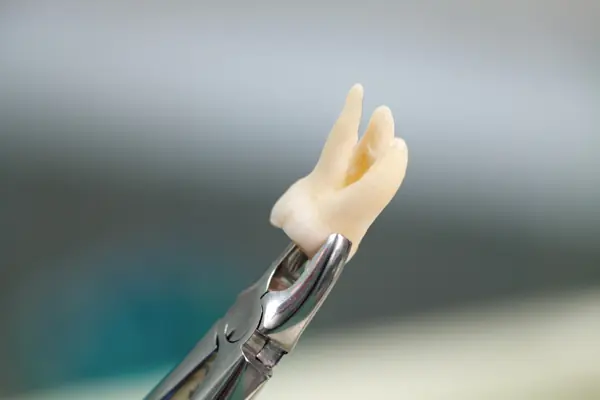
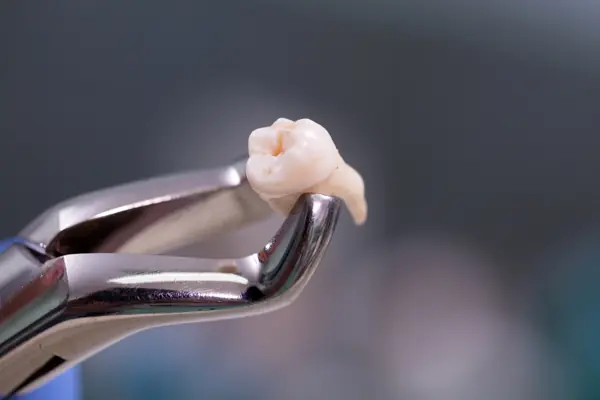
Yes, gum tissue will grow back over the socket. The exposed area will close. But the tooth itself will not regenerate.
Why Permanent Molars Do Not Regenerate
As mentioned earlier, once permanent tooth buds have developed and erupted, there are no additional buds to replace extracted teeth.
Biologically, we are not equipped for tooth regeneration.
Problems Caused by Missing Molars
Leaving a missing molar untreated can lead to:
- Teeth shifting into the empty space
- Over-eruption of opposing teeth
- Difficulty chewing
- Bone loss in the jaw
Molars carry a significant chewing load. Losing one can subtly change bite dynamics over time.
That is why replacement options matter.
What are the Red Flags After Tooth Extraction?
Healing after extraction is usually straightforward. But knowing what is normal versus concerning is important.
Normal Healing vs. Warning Signs
Normal symptoms include:
- Mild swelling
- Tenderness
- Blood clot formation in the socket
- Minor discomfort for a few days
These are expected.
When to Call the Dentist
Red flags after tooth extraction include:
- Severe, worsening pain (possible dry socket)
- Persistent bleeding beyond 24 hours
- Foul odor or taste
- Fever or swelling that increases
- Pus discharge
Dry socket occurs when the blood clot dislodges, exposing bone and nerves. It is painful but treatable.
If anything feels significantly worse instead of gradually improving, it is worth a call.
Why Replacing a Missing Tooth Matters
Since permanent teeth do not grow back, replacement becomes part of the conversation.
Dental Implants
Implants are titanium posts placed into the jawbone. They function like natural tooth roots and support crowns.
Benefits include:
- Long-term durability
- Bone preservation
- Natural appearance
Dental Bridges
Bridges use adjacent teeth to anchor a replacement tooth.
They are:
- Effective for single or multiple missing teeth
- Less invasive than implants in some cases
Partial Dentures
Partial dentures are removable appliances that replace several missing teeth.
They are:
- Cost-effective
- Suitable for multiple gaps
Each option has pros and cons. The right choice depends on oral health, bone density, and personal preference.
Is Tooth Regeneration Possible in the Future?
This is where things get interesting.
Current Research on Stem Cells and Regenerative Dentistry
Scientists are exploring stem cell therapies and bioengineered tooth regeneration. Early research shows promise in stimulating tooth growth in controlled environments.
However, widespread clinical availability is not here yet.
For now, tooth replacement remains the reliable solution.
What to Do If You Lose a Tooth
If your child loses a tooth, monitor eruption patterns. If you lose a permanent tooth, schedule an evaluation.
Here is what to remember:
- Baby teeth may be replaced by permanent teeth
- Permanent teeth do not grow back
- Missing teeth can cause long-term complications
- Early professional guidance makes a difference
Tooth loss is not the end of the story. It is the beginning of a new treatment plan.
Your Smile Deserves a Plan, Not Guesswork – Crescent Family and Cosmetic Dentistry
If you have questions about a lost tooth, delayed eruption, or post-extraction healing, we are here to help. At Crescent Family and Cosmetic Dentistry, we focus on personalized care and practical solutions to restore both comfort and confidence.
Whether you need evaluation, guidance for your child, or a replacement option like an implant or bridge, our team is ready to walk you through your next steps.
Schedule your appointment today and let’s protect your smile for the long run.
Looking for a Dentist in Sumter or Columbia, SC?
If you have questions about whether teeth grow back or need help with tooth replacement options after extraction, our team at Crescent Family and Cosmetic Dentistry is here to help. We have three convenient locations — Bultman Drive in Sumter, Guignard Drive in Sumter, and Columbia, SC — with experienced dentists ready to provide compassionate, personalized care. Call our Sumter office at (803) 778-2337 or our Columbia office at (803) 784-1304 to schedule today.